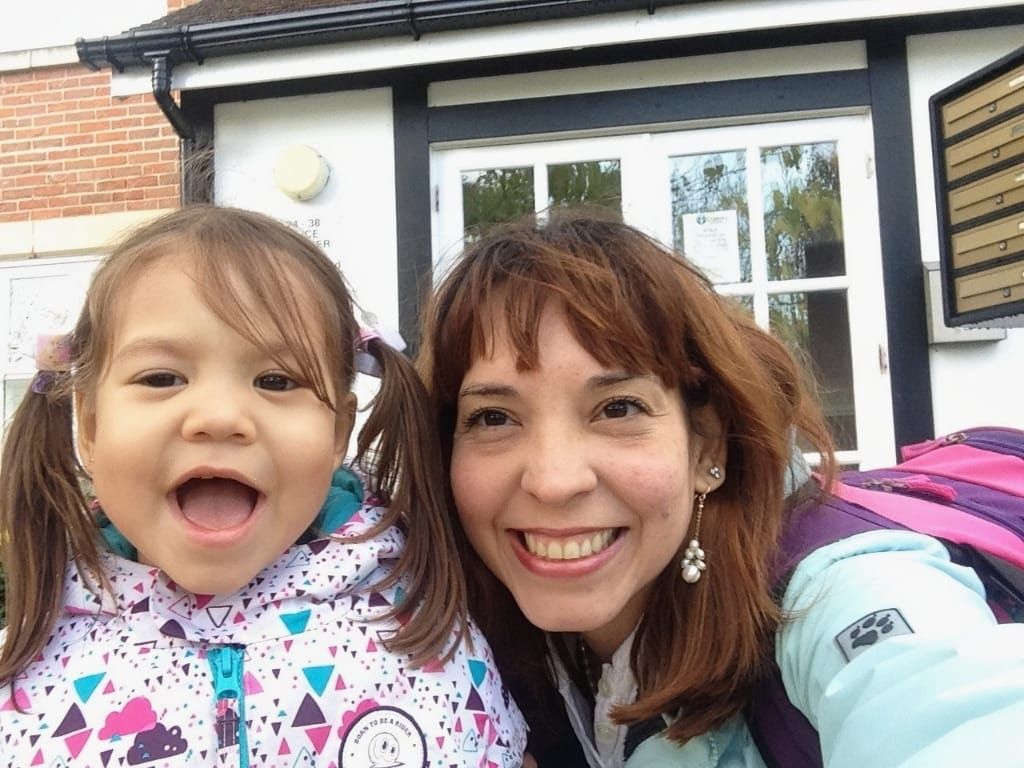
What if everything you've been told about Single Motherhood is wrong?
I didn’t “fall” into single motherhood! I chose it, prepared for it, and built a life where my daughter could grow in love, stability, and joy.
Here’s why the myths about single mums need to end.
The Transformative Power of Motherhood: Strength, Unconditional Love, and Changing the Narrative
Some women find their personal strength through unsheakable confidence. I admire that!
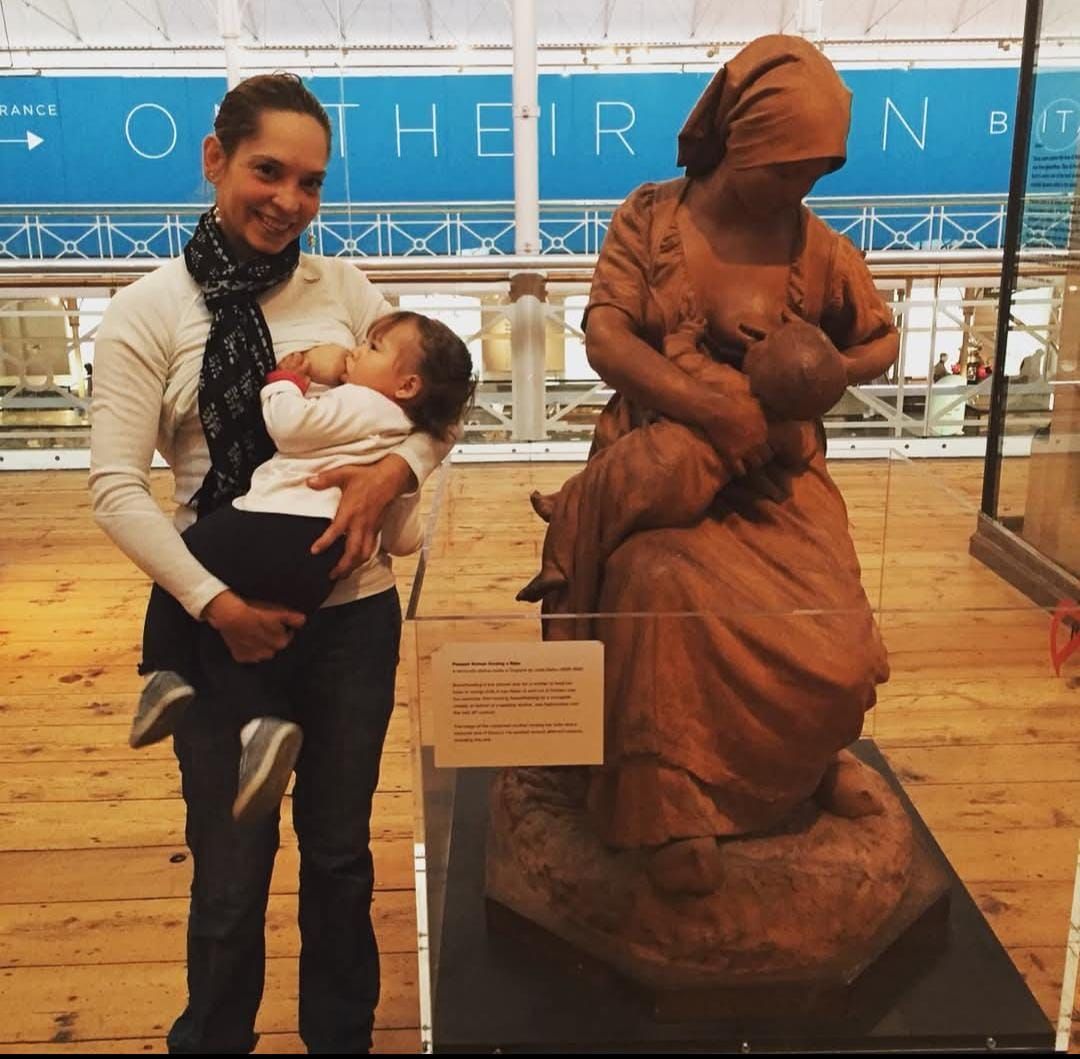
I found my strength in the quiet weight of a sleeping child on my chest, in the small hand that reached for me without hesitation, and in the promise that I would be her safe shelter.
Motherhood did not just make me more emotionally aware; it made me braver.
It asked me to rise in ways I never imagined, to defend what was fragile, and to stand well-rooted in storms. And in loving her, I discovered a power that no circumstance, no university title, and no relationship could ever take away.
A Conscious choice
I became a single mother in my late 30s, a decision that was anything but impulsive.
As a well-educated woman, I had the advantage of mental and emotional maturity. I put great thought into my choice to divorce a controlling husband while navigating a complex migratory condition. Before taking that step, I researched what it truly meant to be a single mother by choice in the UK, understanding both the emotional and practical realities.
Because of this preparation, I’ve been able to give my daughter what matters most for her development: emotional support, stability, and unconditional love.
Milestones born from Love and Resilience:
Motherhood has a way of stretching you far beyond what you ever thought possible. Each chapter of my journey has been shaped by challenges that demanded courage, persistence, and an open heart. These milestones aren’t just moments on a timeline; they’re proof of the fierce love that drives me to protect, nurture, and guide my daughter, no matter the obstacles. Some examples are:
- Breastfeeding her for over four years: finding and discovering my strength in the simple, sacred act of breastfeeding her with my own body, day after day.
- Standing up against the expectation to place my 3-month-old in full-time nursery care: resisting societal and partner pressure to prioritise income over my baby’s emotional needs (we had our basic needs covered). I chose to remain her primary caregiver and source of secure attachment until she was 2.5 years old, despite the criticism. When I eventually took a part-time job, it was still a difficult transition for her, but I knew those early years together had built the foundation of her security and trust. I understand that many mothers have no other choice but to work and place their babies in nursery, and this is not a criticism of them. My point is that our society too often ignores the impact on children’s mental health when separation from their primary caregiver happens too early, and undervalues the long-term benefits of strong early attachments.
- Advocating fiercely to prevent an unnecessary teeth removal at just 13 months: standing firm against pressure, trusting my intuition over external voices.
- Choosing divorce to create a kinder, more nurturing environment for her childhood: breaking free from a narcissistic marriage so she could grow up in safety and joy.
- Providing a Steiner education for seven years without paternal support: proving that financial constraints could never limit her right to a creative, holistic learning environment.
- Representing us in court three times without legal counsel: learning the language of law, and finding my own voice in the pursuit of her best interests (because my love compelled me).
I do not wish to boast about motherhood. Rather, I want to dismantle myths: that single mums offer inferior care, that children need two parents in the same home to thrive, and the reductive notion of the “supermum” (as if we ought to be invincible).
The truth is, behind every milestone, there has been anxiety, especially as a migrant woman, recovering from the trauma of a narcissistic marriage, without family support in this country.
My lifeline? Chosen family! Deeply trusted friends who offer unwavering love and solidarity. We single mothers may not have the blueprint, but we embody flexibility, self-awareness, and deep-rooted intention, creating safety for our children by first rooting ourselves.
Research-backed insights to support our strength
- Parenting quality over family structure
Studies have shown that when economic hardship is removed from the equation, the differences in cognitive and emotional outcomes between children of single mothers and married couples all disappear. It’s the quality of parenting, not the structure, that matters most. (Sigle-Rushton & McLanahan, 2004) - The protective power of support
According to the Family Stress Model, economic strain can affect parental mental health and, in turn, parenting quality. But emotional and social support, whether from relatives or chosen family, can break this chain, leading to equally strong outcomes for children of single mothers. (Conger & Donnellan, 2007) - The role of parental emotional stability
Research confirms that children benefit most when caregivers provide consistent emotional availability and stability, factors more strongly linked to parental self-awareness and mental health than to marital status. (Amato, 2005)
A narrative of “Thriving”, not just “Surviving”
Let’s shift the lens from deficits to resilience.
- Yes, single mothers often encounter higher stress and fewer financial resources.
- But thriving is built through intention, love, and rooted self-awareness, not simply through having two adults under one roof.
- When mothers are supported and prepared (emotionally, mentally, and socially) children can flourish regardless of family structure.
Inviting readers to reframe Motherhood
If you're raising children alone, let yourself feel proud (not guilty) of each milestone. You are not a superhuman, just a deeply human parent meeting hard truths and believing your child deserves better.
Single motherhood is not a failure of partnership! It’s proof of love’s resilience and adaptability.
Nourish yourself, lean on your chosen family, and remember: “your rootedness is your child’s sanctuary”.
Author’s Note
Every journey into motherhood is unique, yet so many of our challenges and triumphs echo one another. If my story resonates with you, whether you’re a single mother, part of a blended family, or navigating parenthood in your own way, I would love to hear your experiences.
Please, share your thoughts in the comments or forward this post to someone who might need a reminder that love, stability, and courage can shape a child’s future far more than any traditional definition of “family.”
Together, we can rewrite the narrative.
With love and resilience,
Kizzy 💛
Join the Conversation:
- What has been your greatest source of strength in motherhood (or parenthood) in general?
- Which myth about single motherhood (or parenting) have you personally challenged or debunked in your own life?
- If you could give one piece of advice to a parent navigating a difficult transition, what would it be?
Welcome to the space where I share my reflections, stories, and insights on motherhood, rebirth, and the unexpected gifts hidden in life’s turning points.
It’s called
The Unexpected Gift, where I’ll be writing about the journeys that shape us: from healing after trauma to embracing sacred timing, from redefining identity to trusting the path ahead.
If you feel called to walk alongside me in these reflections, subscribe on Substack to receive them directly in your inbox.
The Unexpected Gift